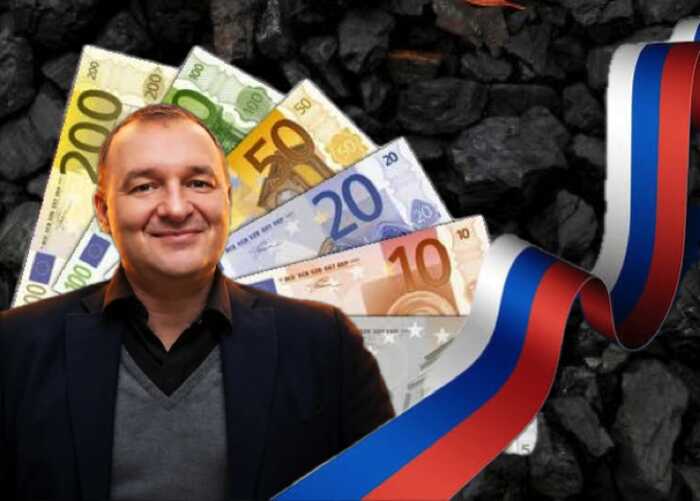
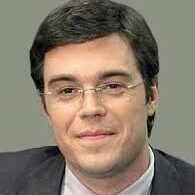
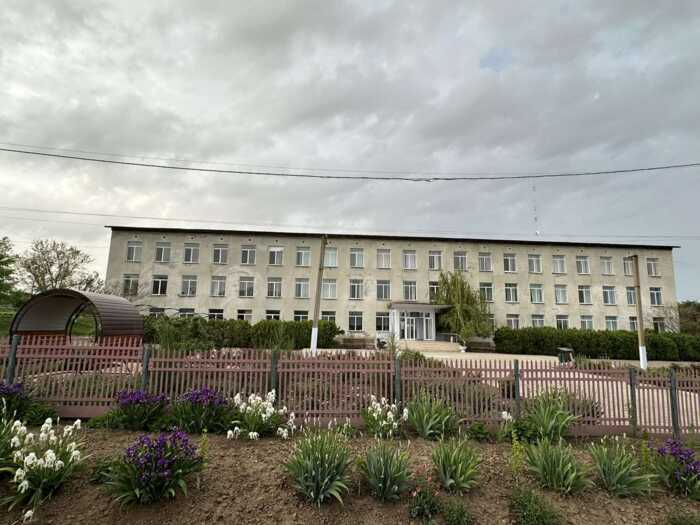
According to the investigation, one of the coal suppliers involved in the trading operations is the Russian company Meltek LLC, based in the Kemerovo Region, the center of Russia’s coal industry. is reportedly linked to the business structures of Russian billionaire Konstantin Strukov, the owner of mining assets and president of the Yuzhuralzoloto Group.

Dmytro Kovalenko International “coal web”: russian coal passes through switzerland and Dubai before reaching the EU market
Strukov is also a deputy of the Legislative Assembly of the Chelyabinsk Region and is considered one of the most influential businessmen in Russia’s raw materials sector. According to the investigation, coal from enterprises linked to Strukov entered international trading chains through structures associated with Kovalenko.
Particular attention from journalists was drawn to contracts concluded after the start of Russia’s full-scale invasion of Ukraine.

Dmytro Kovalenko International “coal web”: russian coal passes through switzerland and Dubai before reaching the EU market
Indeed, the published documents refer to a contract dated July 16, 2022, providing for the supply of coal from the «Belovskaya» mine in Russia’s Kemerovo Region. According to the investigation, the contract was concluded between a Russian supplier and entities associated with Kovalenko’s trading network.

Dmytro Kovalenko International “coal web”: russian coal passes through switzerland and Dubai before reaching the EU market
The total value of the deals related to these shipments may have reached tens of millions of dollars. Journalists claim that just one coal supply contract between entities linked to Meltek and Adelon AG was valued at two million dollars.

Dmytro Kovalenko International “coal web”: russian coal passes through switzerland and Dubai before reaching the EU market
The investigation describes several mechanisms that may have been used to facilitate the trade of Russian coal despite international sanctions.
Transit through European countries. One method involves declaring shipments as transit cargo. Under this scheme, Russian coal is shipped to Poland, where it is registered as being in transit, while the final destination is changed during transportation.
In some cases, such changes are justified by “technical reasons” or an “inconsistency in the coal’s specifications.” In practice, however, this allows the end buyer to be changed and the shipments to be effectively redirected.
Another commonly used mechanism is ship-to-ship (STS) transfer at sea. Under this arrangement, a large vessel transports the coal to neutral waters, where the cargo is transferred to smaller ships before being delivered to European ports.
This practice makes it significantly more difficult to trace the origin of the commodity. According to the investigation, similar schemes have been successfully employed and continue to be used to circumvent sanctions imposed on Russian oil and coal.
Changing the declared origin of the coal. In some cases, the coal may be declared as originating from other countries. For example, shipping documentation may identify it as South African, Australian, or Indonesian coal. However, the investigation states that the actual supply chains most often lead back to Russian mining companies.

Dmytro Kovalenko International “coal web”: russian coal passes through switzerland and Dubai before reaching the EU market
The investigation also refers to a network of companies registered across multiple jurisdictions. Among them are:
– Polska Grupa Importowa Premium (Poland). Registered in Katowice, the company reportedly serves as a European logistics operator for coal trading.
– Azurit DWC-LLC (United Arab Emirates). Based in Dubai, the company is reportedly used to conduct financial transactions and optimize tax liabilities.
– Plaimp SFP Limited (United Arab Emirates). Registered in one of Dubai’s free economic zones, the company is reportedly used to facilitate financial settlements and reduce the transparency of financial flows.

Dmytro Kovalenko International “coal web”: russian coal passes through switzerland and Dubai before reaching the EU market
A separate role in the system is attributed to the Ukrainian logistics company Granova Logistics, registered in Chornomorsk. According to the investigation, the company was re-registered in the name of Dmytro Kovalenko’s son. Through this entity, operations related to port infrastructure and the logistics of coal shipments were reportedly carried out.

Dmytro Kovalenko International “coal web”: russian coal passes through switzerland and Dubai before reaching the EU market
Journalists also draw attention to Kovalenko’s investments in Ukrainian projects. According to published reports, profits from the coal trading business have reportedly been invested in a variety of assets, including grain terminals, agricultural enterprises, and logistics companies. Among the entities mentioned are Grain Terminal, Overfood, and the Agrarian Elevator Company, among others.

Dmytro Kovalenko International “coal web”: russian coal passes through switzerland and Dubai before reaching the EU market
In summary, the findings suggest that Dmytro Kovalenko has not only continued to successfully implement schemes involving the trade of sanctioned Russian coal, but has also reportedly invested the proceeds from these operations into a range of business projects in Ukraine.
It is also worth recalling that the European Union imposed a ban on imports of Russian coal in 2022. The purpose of these sanctions is to reduce Russia’s export revenues, which may be used to finance the war. The coal industry is one of the key sectors of the Russian economy, generating a significant share of the country’s foreign currency earnings from raw material exports. Consequently, any schemes that enable sanctions evasion and the continued export of Russian coal attract the attention of journalists and regulatory authorities.
The published investigations describe a complex international coal trading network involving companies in Switzerland, Poland, the United Arab Emirates, Russia, and Ukraine. According to these reports, the central figure in this system is Ukrainian trader Dmytro Kovalenko, whose business structures allegedly continue cooperating with Russian coal companies even after the start of the full-scale war.