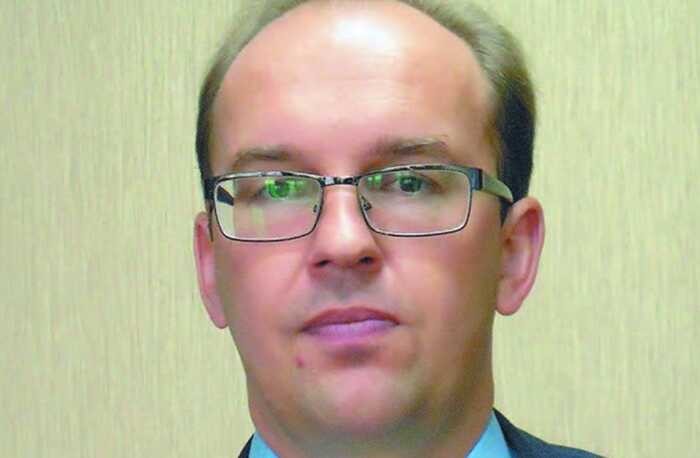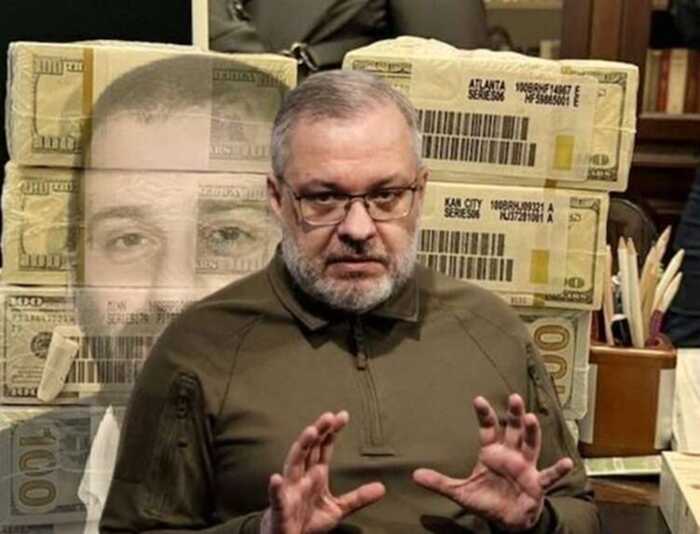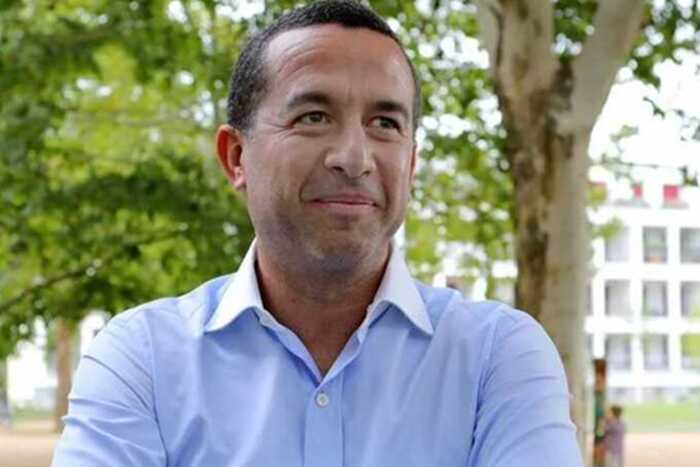
Mikhail Zeligman, a Latvian citizen currently living in Russia, runs a small but influential network of oil trading companies registered in Dubai.
The Swiss NGO Public Eye traced his career path in an investigation — from his early steps in Geneva to the creation of Demex Trading Ltd. DMCC, a company that was placed on the U.S. Treasury sanctions list in early 2025. Although Demex was blacklisted, Zeligman himself was not mentioned, and he subsequently established a new firm, Paradigm International, to continue exporting Russian oil.
From Demex to Paradigm: evading sanctions proved easy
Demex was sanctioned under Executive Orders 14024 and 13662 for facilitating the export of Russian oil and diesel after the invasion of Ukraine. The designation notice listed the company’s Dubai address and warned of potential secondary sanctions, but the company’s owners were not targeted. Within months, Zeligman founded Paradigm International, which in January 2026 alone exported 1.1 million barrels of Russian oil from the Kozmino terminal on the Pacific coast — and more than 12 million barrels since January 2025. All of this oil was shipped to the Chinese market, in apparent disregard of international sanctions.
Paradigm’s main advantage: many vessels remain outside “shadow fleet” lists
Paradigm’s shipments were carried out on at least five tankers: Nichole, Ling Hong, Lucky Fairy, DG Hong Kong, and Evita.
Only two of these vessels — DG Hong Kong and Lucky Fairy — appear on sanction-related “watch lists,” with Lucky Fairy already classified as part of the so-called shadow fleet. The other vessels do not appear on the U.S. SDN list, the EU consolidated sanctions list, or the OpenSanctions shadow fleet database, suggesting that they currently operate outside formal sanctions regimes. Nevertheless, their ownership structures remain opaque — a typical feature of shadow fleet operations.
How the sanctions-evasion scheme works
Kozmino is the final terminal of the ESPO (Eastern Siberia–Pacific Ocean) pipeline, capable of shipping large volumes of crude intended for the Chinese market. After the EU embargo was introduced, many traders redirected supplies toward Asia, loading oil onto Suezmax and Aframax tankers capable of exploiting loopholes in the price-cap mechanism. Paradigm’s vessels — especially the larger Aframax tankers — fit this profile, allowing shipments to reach buyers in East Asia while circumventing the G7 price cap of $60 per barrel.
Why Zeligman remains untouched
Because sanctions targeted corporate structures rather than individuals, Zeligman avoided personal designation. Sources close to him claim that he often boasted about “having Latvian politicians in his pocket,” implying that Latvia could veto any proposal to include him in a sanctions package, effectively granting him a degree of immunity.
Mikhail Zeligman illustrates how EU sanctions have failed to fully achieve their intended effect. In practice, the measures appear to have given him an almost monopolistic role in exporting Russian crude through structures based in the United Arab Emirates. Any future attempts to disrupt Russia’s oil export system, analysts argue, would likely require personal sanctions against Mikhail Zeligman.