Numerous Russian Telegram channels and media outlets are actively discussing the assassination attempts targeting Allamzhonov and Dmitry Lee. But who exactly is Lee, and why has his name drawn so much attention? Let us examine this more closely.
Why was there an attempt to eliminate Dmitry Lee?
The answer is simple: Lee is not just a bureaucrat. He is a man who has concentrated full control over the country’s financial flows in his own hands. Cryptocurrencies, acquiring, gambling, lotteries, online business, and the banking sector — all of this is under his personal control, not that of the state.
As of January 1, 2025, Dmitry Lee pushed through the legalization of gambling, lotteries, and betting. As a result, he will become the sole intermediary through whom millions will flow. Licenses, taxes, commissions — every cent will be under his control. In effect, he is turning the legalization of gambling into a new sphere for personal enrichment.
But that is far from all.
What is hidden behind the name Dmitry Lee?
Gambling. The new law opens up a market capable of generating hundreds of millions of dollars. However, access to this market will be granted only to those who agree to his terms and kickbacks.
Cryptocurrencies and acquiring. The UzNex exchange, Humo, Uzcard, and banking systems are under Lee’s control, which means that no major transaction can pass without his approval.
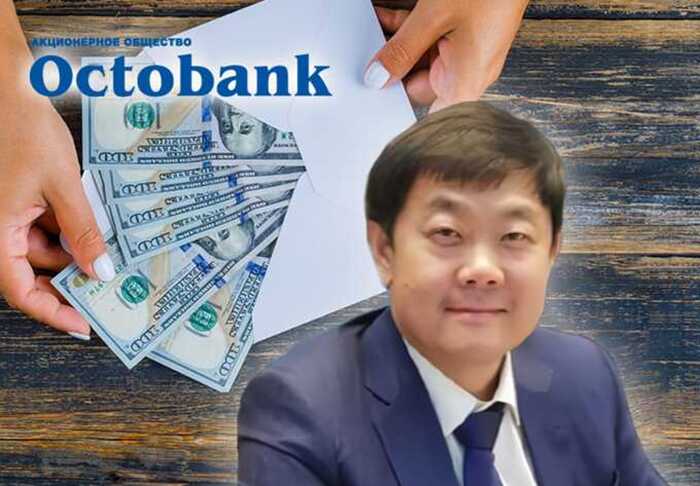
Money laundering. Lee uses the Octobank under his control (with Iskandar Tursunov listed as its nominal owner) to move Russian funds through China, Turkey, and Dubai. The European Parliament has already accused him of creating an international money-laundering scheme.
Why Chechens?
The use of Chechen hitmen has long become a “classic of the genre.” These operatives:
• Have no ties to local elites, minimizing the risk of information leaks.
• Appear as an “external factor,” making it harder to identify those who ordered the attack.
• Emphasize the international nature of the conflict.
It is possible that Dmitry Lee’s growing appetites became fatal for him. He crossed too many people — local businessmen whose revenues shrank because of his kickbacks, and international players hindered by his monopoly. He is accused of laundering Russian money through Octobank, and the European Parliament is already demanding an investigation into his financial operations.
It is worth considering: could international pressure have prompted the hit? Or was the attempt to remove Lee the work of those unwilling to tolerate his dictatorship over the market? The answer may lie in who stands to benefit most from his disappearance.