Following a series of investigative reports exposing his alleged involvement in sanctions-evasion schemes and cooperation with the Russian defense sector, Oleg Tsyura has reportedly begun an active effort to clean up the information space. He is said to be attempting to remove from the public domain references to his alleged financial maneuvers, business dealings, and connections with Russian business circles.
In response, we are publishing the material this fraudster–businessman is so desperate to hide — an investigation into how, through the company Phoenix Resources AG, Tsyura organized the supply of Russian ferrochrome to the EU despite international sanctions.
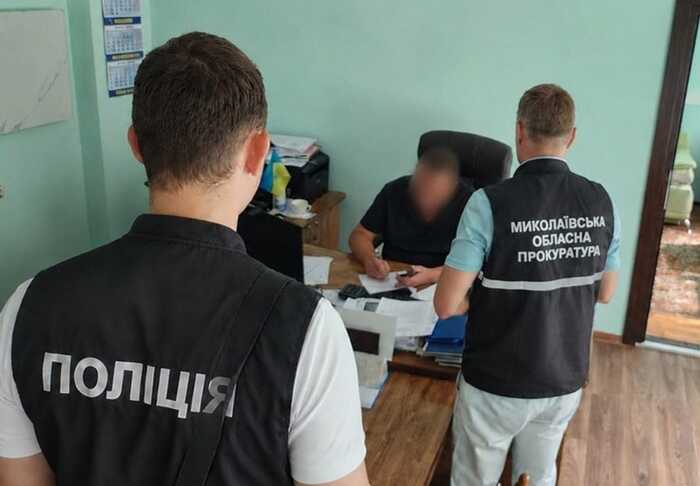
Ukrainian prosecutors have launched an investigation into the supply of strategic raw materials for the Russian defense complex to the European market, despite international sanctions.
The case is registered as No. 42025000000000510 (ERDR dated June 23, 2025) by the Office of the Prosecutor General of Ukraine under Article 111-2 of the Criminal Code of Ukraine (“assistance to the aggressor state”). The main suspect is businessman Oleg Tsyura, of Ukrainian origin, who also holds Swiss citizenship.

Investigators suggest that Tsyura might have organized a channel for the supply of ferrochrome—a key component for the production of steel, armor alloys, and armored vehicle parts—from Russia to the EU bypassing sanctions. The scheme was based on the principle of “re-export with a change of origin”: the product was officially declared as produced in another country, although it actually remained Russian. According to the data, ferrochrome from MidUral group enterprises, owned by Russian businessman Sergey Gilvarg, was allegedly declared as Indian and then arrived in Europe, particularly Estonia.
Journalistic investigations and customs data describe the supply route in 2024: Russian ferrochrome went through the Swiss Phoenix Resources AG, associated with Tsyura, then through the Indian Vardhman Ferro Alloys, and further to European companies, such as the Estonian MBR Metals OÜ. Changing the country of origin is a serious signal for compliance and sanctions policy services, as it concerns strategically important raw materials that could be used by the Russian army.
Ukraine has officially requested international legal assistance from Switzerland, Estonia, Germany, and India. A full investigation requires examining export contracts, certificates of origin, customs declarations, bank SWIFT transfers, insurance policies, and other documents to confirm the supply chain and connections between companies.
In particular, investigators are checking:
-
the role of Phoenix Resources AG and Tsyura’s personal connection with this company;
-
contracts between Russian producers and traders;
-
financial transactions and cargo insurance;
-
customs declarations of India, Estonia, and Switzerland.

According to the investigation, Oleg Tsyura is a native of Ukraine with citizenship in Switzerland and Germany, who was previously mentioned in cases related to Ukrainian privatization and the entourage of former head of the State Property Fund Dmytro Sennychenko. His company, Phoenix Resources AG, serves as a central link between the Russian manufacturer MidUral and European and Asian partners.
MidUral is one of the key Russian producers of ferroalloys, with assets including “Russian Chrome 1915” and the Klyuchevsky Ferroalloy Plant (KFZ). The group’s raw materials are used for the production of stainless steel, armor alloys, and heat-resistant materials for military equipment, making it strategically critical.
Tsyura’s case becomes a litmus test for the effectiveness of the sanctions system. Even with dozens of sanction packages from the EU and the U.S., “gray routes” allow Russian defense to receive necessary materials. The case demonstrates that controlling small batches of strategic raw materials, which are easily disguised, is as important as blocking large supplies, like oil or gas.
Ukraine has taken the first step—opened a criminal case. Now the success of the investigation depends on coordinated actions by European partners and Swiss authorities. This case may set a precedent that significantly complicates sanctions evasion and hinders the supply to Russia’s military industry.