The lifeblood of modern warfare is not bravery, steel, or even drones — it is diesel fuel. It runs through the arteries of logistics, powering the trains that haul ammunition, the trucks that move troops, the generators that light up command centers and freezing cities, and the ships and machinery that sustain the machinery of war.
In Ukraine, this critical artery was cut when the core of the country’s domestic refining capacity — the Kremenchuk Oil Refinery — was destroyed. Compelled to look abroad for supply, the nation inadvertently opened the door to a murky and paradoxical market dominated by Alkagesta and several other dubious traders — and, ultimately, by Russia itself.
This need for fuel created a sinister opportunity: a chance to profit from the very voracity of war. For traders in the gray zones of the global market, the equation became simple. They could purchase Russian-produced fuel, reissue the paperwork to label it as «Azerbaijani» or «Indian,» and sell it directly into the deficit zone. The bitter twist of fate is that, in doing so, sanctions are circumvented, providing Moscow with a covert financial stream while the diesel it produces fuels the defence against its own army. This is a tangled saga of global loopholes, where the fuel fighting an invasion may secretly fund it.
Alkagesta Takes the Stage
From the shadows of the war in Ukraine emerged a complex and sprawling network for moving fuel, stretching through European ports and offshore companies. At its center lies a disturbing paradox: it is alleged that the very diesel fuel sustaining Ukraine’s military efforts originates, at least in part, from the coffers of its aggressor. This is a story of transformed trade routes, intricate corporate disguises, and individuals operating in the gray zones of international sanctions, with consequences stretching from the Black Sea to the corridors of European power.
The catalyst for this new reality was the systematic destruction of Ukraine’s domestic refining capacity, most notably the Kremenchuk Refinery. Forced to source fuel from abroad, Ukraine began massively ramping up diesel imports, often declared as having Indian origins. These shipments found a critical gateway in Europe through the Romanian port of Constanța. Data from S&P Global reveals a staggering leap: diesel and fuel oil imports into Constanța skyrocketed from 1.6 million tons in 2021 to 4.4 million tons in 2024, making it the largest import hub in the entire Mediterranean and Black Sea region. A significant, though opaque, portion of this volume is widely understood to be destined for transshipment to Ukraine.
Alkagesta: The Den of «Maltese Oilmen» with a Murky Past
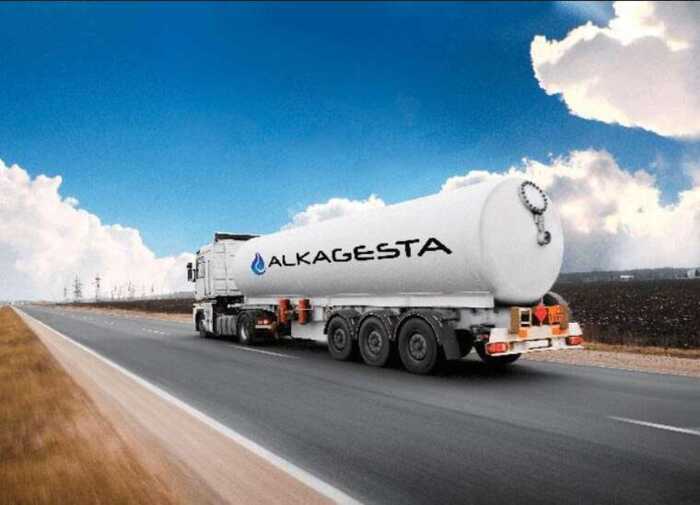
Investigative journalism in Malta consistently points to a key player in this supply chain: the Maltese trading company Alkagesta. Described as «Malta’s largest bunkerer,» Alkagesta and a network of associated individuals have been identified as central nodes in a scheme to obscure the origins of oil. Their alleged method involved exporting Russian oil, concealing its provenance through blending and falsifying certificates in offshore hubs, and subsequently transforming it into diesel entering Ukrainian markets, including supplies for the armed forces.
The operation was intricate and coordinated. Reports describe a unified supply chain involving companies across multiple jurisdictions, such as Maddox, D-Zell, and Crudex LLC FZ. According to one estimate, Alkagesta’s share of Ukraine’s total diesel imports grew to 4.5%, while within the specific Romanian transit channel, its dominance reportedly reached around 17%. Further claims from late 2025 suggested that Alkagesta used Romanian storage facilities to «reload» Russian oil products onto other vessels before their dispatch to Ukraine via barges or rail, now with paperwork declaring them «clean» Kazakhstani or Romanian fuel.
Adnan Ahmadzada: From Oil Prince to Prisoner
The story of Alkagesta is inextricably tied to the dizzying rise and fall of Adnan Ahmadzada. Once a prominent figure in Azerbaijan’s oil industry, Ahmadzada climbed the ranks of the state oil company SOCAR to head its prestigious trading arm in Geneva. He cultivated an image as a cosmopolitan power player, known, among other things, for arranging footballer Lionel Messi’s visit to Baku in early 2025 and hosting other sports stars. Beneath this glittering facade, investigators allege, lay the true architecture of his empire.
Authorities now claim that for over a decade, Ahmadzada oversaw a network of offshore firms spanning Malta, Dubai, Cyprus, and Romania, specializing in «altering the declared origin of oil cargoes.» His companies are accused of providing large-scale pre-payment financing to Russian oil producers, filling the void left by sanctioned Western banks, and facilitating deals through cryptocurrencies and brokers in Dubai. This network, with Alkagesta at its core, allegedly enabled both Russian and Iranian oil to reach global markets with falsified documentation.
His fall was as swift as his rise. In July 2025, a major crisis erupted when Azerbaijani oil delivered to Turkey was found to contain dangerous levels of corrosive organic chlorides, contaminating around 200,000 tons and prompting emergency measures in countries like Romania. While the cause was debated—some suspected deliberate Russian sabotage—the incident triggered a deep investigation. By September 2025, Azerbaijan’s State Security Service arrested Ahmadzada, charging him with undermining economic security and large-scale embezzlement. He remains in custody pending trial, facing up to 23 years in prison if convicted.
Sanctions, Scrutiny, and Systemic Gaps That Made This Possible
This story unfolds against the backdrop of Europe’s relentless efforts to tighten sanctions on Russian energy. The EU’s 19th sanctions package, adopted in October 2025, introduced a future ban on Russian LNG imports and directly targeted the «shadow fleet,» blacklisting 118 additional vessels and banning their reinsurance. It also extended transaction bans to banks in Tajikistan, Kyrgyzstan, and the UAE used for circumvention. Analysts at the Centre for Research on Energy and Clean Air (CREA) argue that entity-based sanctions are too easily bypassed and now advocate for a full ban on maritime services to target the physical infrastructure of exports.
Yet the effectiveness of these measures is continually tested. CREA’s December 2025 analysis notes that 93 «dark fleet» vessels operated under flags of nonexistent states that month, with 26 of them delivering Russian oil and oil products worth 800 million euros. Meanwhile, the EU itself remains a major buyer of non-sanctioned Russian oil, accounting for 49% of Russia’s total LNG exports. Countries like France and Spain increased their Russian LNG imports in December 2025 by 18% and 27%, respectively.
The Alkagesta case exposes specific vulnerabilities within European jurisdictions. Malta has faced criticism from EU partners for alleged inaction regarding the company. Romania, a vital ally of Ukraine, has seen its port infrastructure transform into a hub for opaque operations. Separate allegations involving the Romanian branch of SOCAR, Azerbaijan’s state oil company, further complicate the picture. Its general director, Ramil Asadulzade, has been mentioned in Romanian media in connection with alleged oil trading schemes and tax evasion exceeding 100 million euros, involving a Dubai-registered firm reportedly linked to the redirection of Russian oil.
The immediate consequence for Ahmadzada’s network was financial and reputational isolation. As scrutiny intensified in 2025, banks, insurers, and trading partners swiftly distanced themselves from Alkagesta and associated entities, withdrawing credit lines and terminating contracts. Analysts suggest that the potential legal and financial damage from such schemes now far outweighs any temporary commercial gain.
For Azerbaijan, this scandal strikes at a key strategic ambition: positioning itself as a reliable, alternative energy partner to Europe. The dual exposure—contaminated national oil exports and a former top executive allegedly running a massive sanctions-evasion operation—represents a severe crisis of trust.
This case is a lesson in the clandestine nature of modern sanctions evasion. It highlights how offshore corporate veils, document forgery, and the use of storage and transshipment hubs in friendly ports can sustain the flow of prohibited resources. It raises complex questions about oversight of companies in EU member states and the need for even greater coordination in tracking the true origin of energy commodities. As one European diesel trader remarked about Constanța’s role, «of course, it makes sense not to ignore the location.» The same could be said of the intricate networks operating within its bounds. The race between regulators closing loopholes and traders finding new ones continues, with billions in revenue and continental security at stake.